June 16, 2026
Navigating the real estate market requires a clear understanding of property compliance and overall structural integrity. For properties located outside municipal sewer networks, evaluating underground wastewater infrastructure is a vital part of the transaction process.
When residential properties change hands, local environmental mandates dictate specific validation steps for private wastewater systems. Buyers and sellers must cooperate to verify that underground infrastructure operates safely without endangering local ecosystems.
Understand Title 5 System Regulations
According to data from AmeriSave, approximately 25% of U.S. homes utilize residential septic setups, meaning that more than 60 million Americans depend on these standalone options for daily waste management. Environmental rules protect public health.
The core criteria outline specific parameters for system design capacities, placement locations, and ongoing maintenance expectations based on household occupancy. Compliance ensures that wastewater treats properly and reenters the surrounding environment safely without causing ecological degradation.
Property owners face mandatory obligations to secure formal system certifications before completing property sales, building expansions, or major renovations. The legal consequences of neglecting a Title 5 inspection can include steep financial penalties and transaction delays.
These rigorous checks function as critical milestones within real estate deals, establishing clear expectations for buyers and sellers alike. Passing results provide a strong selling point, while clarifying the system's operational viability under state codes.
Many homeowners mistakenly assume these structural reviews are completely optional or can be deferred without impacting final property transfers. Dispelling these myths helps protect long-term investments and ensures smooth, compliant transitions during sales transactions.
Evaluate Septic Systems When Selling
Proactively managing system compliance before listing a residence streamlines the selling process and minimizes unexpected hurdles during escrow. Homeowners who arrange evaluations early secure sufficient time to address necessary repairs, boosting buyer trust substantially.
A certified waste management setup directly enhances a property's market value, rendering it far more attractive to prospective purchasers. Conversely, uncertified or failing components frequently deter buyers, forcing steep price reductions and stalling transactions indefinitely.
From a strict legal standpoint, regional health laws mandate a Title 5 inspection before executing a lawful property transfer. Providing accurate infrastructure disclosures shields sellers from future liability and ensures complete transactional transparency between both parties.
Achieving a successful system certification creates a powerful negotiation tool when finalizing purchase contracts and closing terms. If issues arise, those specific defects become central points for determining repair escrows, credits, or price adjustments.
Real estate agents offer essential guidance by explaining local health rules and coordinating with certified technicians throughout the process. Their professional expertise helps sellers navigate complex documentation, ensuring full compliance with regional sanitation standards.
Protect Buyers During Property Purchases
A formal Title 5 inspection provides buyers with an exhaustive diagnostic breakdown of a home's waste management health before closing. This comprehensive assessment uncovers hidden structural defects that might threaten household safety or require immediate remediation.
Identifying underlying system failures before finalizing a purchase prevents buyers from absorbing massive, unexpected repair expenses after moving in. Armed with clear data, purchasers can negotiate equitable seller concessions or adjust budgets before signing final contracts.
Performing rigorous due diligence on septic setups provides an essential safeguard against post-closing liabilities and sudden property devaluation. This proactive validation confirms that underground utilities operate reliably, protecting new owners from immediate emergencies and hazardous backups.
Obtaining a verified, passing system grade delivers profound investment assurance to individuals purchasing a new home. Buyers can move forward confidently, knowing the property’s primary waste infrastructure satisfies state and local environmental codes perfectly.
Mortgage lenders regularly mandate a compliant infrastructure report before approving residential financing or finalizing home loan terms. Satisfying this criterion accelerates the underwriting process, eliminates potential funding delays, and secures favorable borrowing terms.
Execute the Official Inspection Process
Selecting a fully licensed, credentialed professional represents the first step toward obtaining a reliable utility validation report. Property owners should cross-reference local health board recommendations to find an experienced technician familiar with regional regulations.
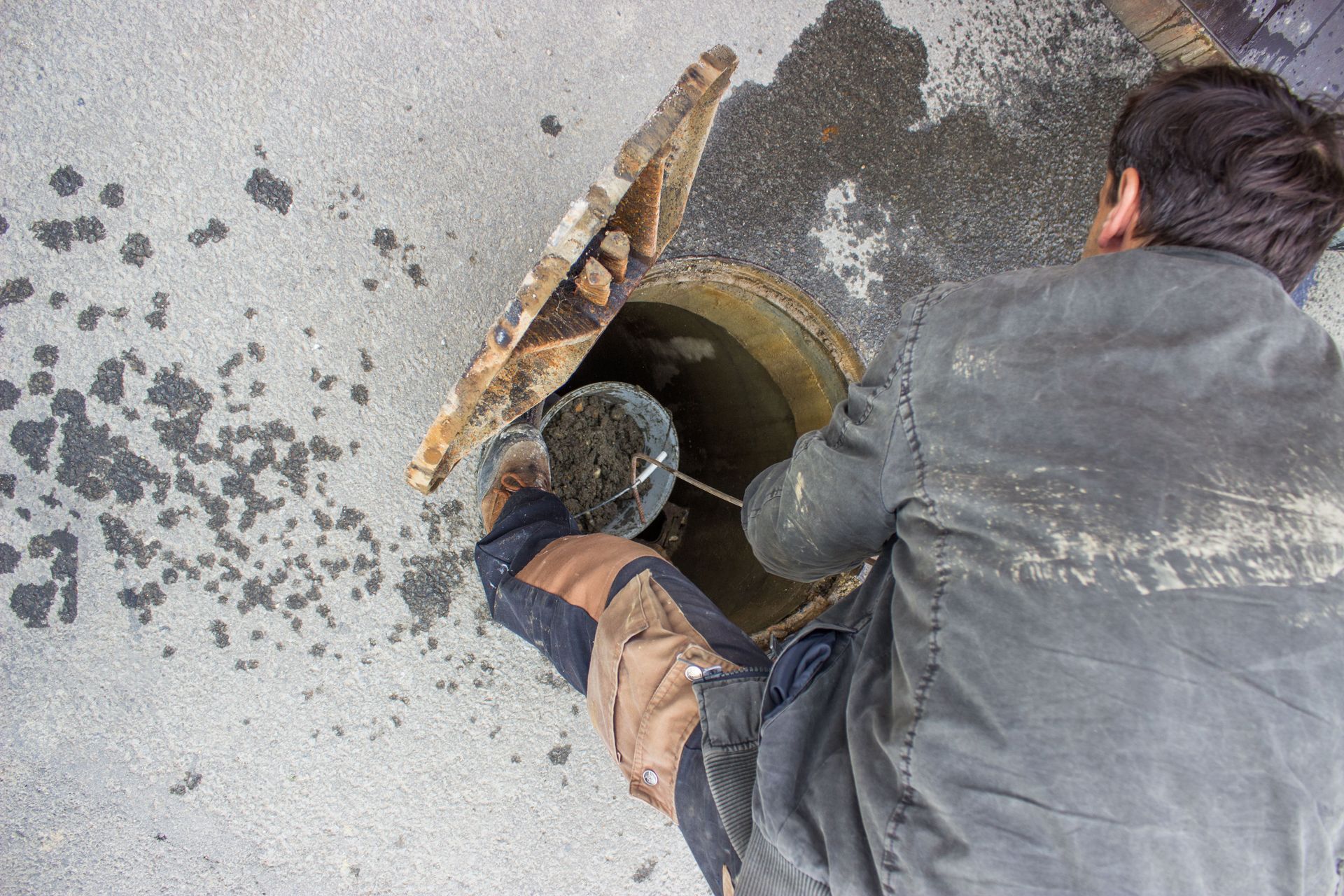
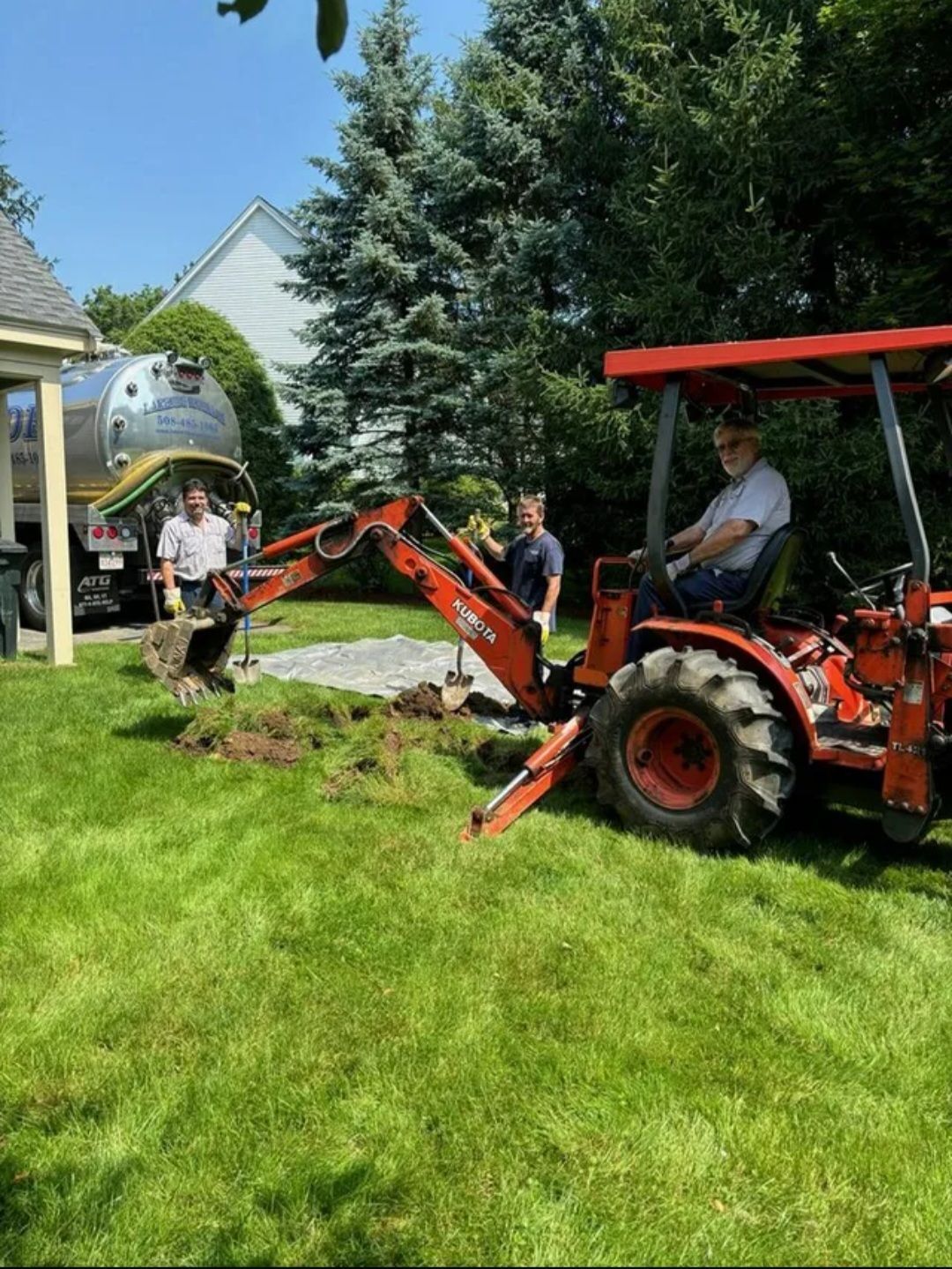
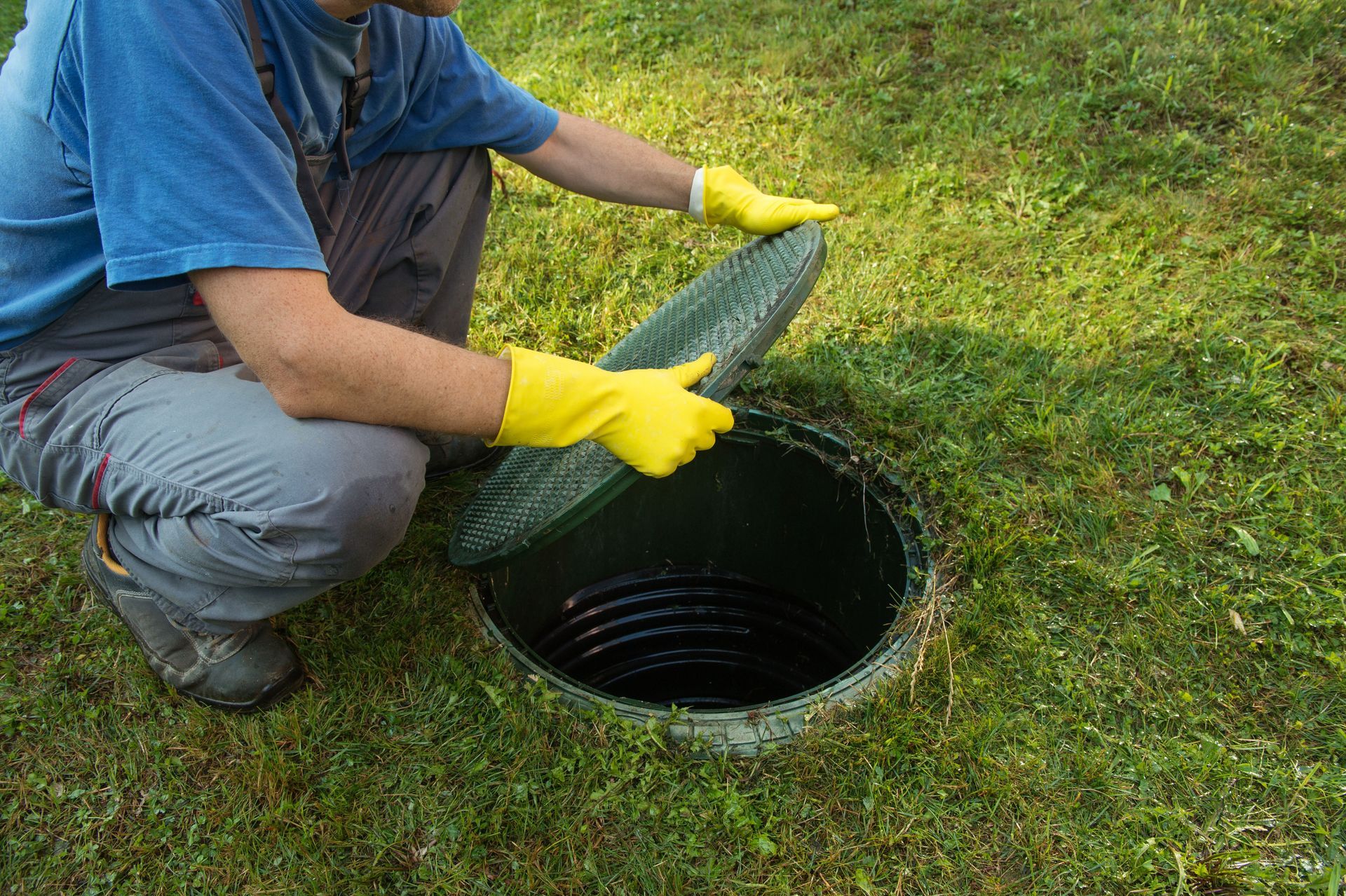
The official Title 5 inspection requires a thorough review of historical maintenance charts and property plot layouts. Field technicians then locate and physically excavate system components to check their structural integrity and operational levels directly.
Coordinating the on-site assessment early prevents unexpected scheduling bottlenecks that could easily delay a scheduled real estate closing. Although the physical component review finishes within hours, finalizing official regulatory paperwork takes several business days.
The resulting engineering report explicitly categorizes the household system as passing, conditionally passing, or completely failing current standards. Reviewing these findings meticulously allows both parties to understand required system upgrades and negotiate terms appropriately.
Addressing highlighted maintenance issues quickly ensures that the property retains its legal transfer eligibility and market value. Thoroughly documenting all completed repairs reinforces operational transparency, fostering long-term trust between buyers, sellers, and local regulators.
Manage Failed System Inspection Results
Receiving a failing grade demands swift corrective action to restore the home's underground utilities to full regulatory compliance. Property owners must execute these mandated upgrades responsibly, since neglected system defects cause groundwater contamination and ecological damage.
A failed Title 5 inspection often stalls a pending property sale by causing buyer anxiety and halting mortgage approvals. Sellers must navigate these situations strategically, often establishing financial escrows to fund necessary component replacements before closing.
Ignoring a deficient system can result in expensive legal fines from local boards and restrict residential occupancy rights entirely. Non-compliant infrastructure can also invalidate standard homeowner insurance policies, creating significant financial risks for the current owner.
Seeking professional legal and environmental counsel helps property owners clarify their exact obligations when dealing with infrastructure failures. Utilizing municipal resources ensures that all proposed system designs comply with current public health codes and zoning laws.
Insurance companies scrutinize wastewater management conditions when assessing property liabilities and determining ongoing coverage eligibility for homes. Maintaining a certified system protects policy validity and safeguards owners against catastrophic financial liabilities stemming from structural failures.
Review Real Life Property Cases
Proactive preparation consistently delivers superior results, as shown by sellers who handle system evaluations well before listing their homes. Completing necessary system enhancements beforehand regularly secures multiple competitive offers and guarantees a seamless closing process.
Historic properties frequently present unique challenges because outdated waste components often struggle to satisfy modern environmental rules. Unanticipated structural failures in mature homes can prolong transactions, though modernizing these systems enhances overall viability significantly.
Implementing advanced treatment technologies helps modern property owners overcome difficult geographical limitations and achieve regulatory compliance. These green engineering alternatives minimize local environmental footprints while substantially increasing resale appeal for eco-conscious buyers.
Disregarding regulatory mandates often leads to severe financial distress, canceled real estate deals, and unexpected municipal penalties. Homeowners who overlook routine system health and don't get a title 5 inspection find themselves facing emergency replacement costs that disrupt their long-term financial stability.
Real estate professionals frequently emphasize that early system evaluation remains the single best strategy for avoiding transaction delays. Prioritizing these checks protects investments, preserves neighborhood equity, and ensures a stable transition for everyone involved.
Securing a certified wastewater setup forms a cornerstone of a successful real estate transaction for homes relying on private utilities. Prioritizing a professional
Title 5 inspection protects investments, guarantees environmental safety, and provides vital clarity during closing negotiations. To ensure your system complies with every state mandate and functions flawlessly, reach out to Lakeside Sewerage Service Inc, where we proudly deliver expert inspection and maintenance solutions for our community.