July 27, 2026
In Massachusetts, the proper functioning of septic systems is critical not only for property value and home health but also for environmental protection. Title 5 inspections represent a state-mandated procedure that ensures septic systems are working correctly and are not compromising public health or safety. These inspections are crucial when you're selling a home, building a new one, or making significant property renovations. Beyond its necessity as a regulatory requirement, Title 5 compliance also helps homeowners maintain the long-term reliability of their septic systems. Scheduling a professional Title 5 inspection service ensures the evaluation meets state requirements and provides documentation accepted during property transactions. This article provides an in-depth look at what Title 5 inspections entail, why they're required, and how to prepare for them.
Understand the Purpose of Title 5 Regulations
The Title 5 regulations were instituted by the Massachusetts Department of Environmental Protection (MassDEP) to address rising concerns about water pollution from failing septic systems. Prior to the introduction of these regulations, there was little consistency in how septic systems were inspected and maintained, leading to various environmental issues. Over time, the regulations have evolved to include stricter guidelines and expand their scope to cover more situations. These developments underscore the commitment to safeguarding Massachusetts' natural resources. Homeowners have greatly benefited from these regulations through improved system reliability and the early detection of potential issues.
The fundamental aim of Title 5 inspections is to ensure that septic systems are neither failing nor on the verge of failure. These inspections serve a dual purpose: protecting public health by preventing groundwater contamination and maintaining environmental integrity. According to MassDEP guidelines, a healthy septic system reduces the risk of pollutants entering the water supply. Beyond the environmental benefits, a passing inspection report is a critical document for any real estate transaction involving properties with septic systems. Consequently, Title 5 inspections protect both the buyer and the seller by establishing the current condition of the system. Choosing a reliable title 5 inspection service helps ensure the inspection is completed accurately and documented according to Massachusetts requirements.
The enforcement of Title 5 regulations is primarily the responsibility of local health departments across Massachusetts. These organizations work closely with certified inspectors to ensure compliance with state laws and regulations. Local health officials are empowered to investigate complaints, oversee inspections, and require corrective actions. They also serve as a resource for homeowners in navigating the complexities of septic system regulations and requirements. Understanding which local agency oversees your property's inspection can facilitate smoother compliance and more efficient resolution of any issues that arise.
Know When an Inspection Is Required
A Title 5 inspection is mandatory under several circumstances, most commonly prior to the sale of a property. Inspections are also required when there's any major construction that might affect the septic system. However, according to Realtor.com, a Title 5 inspection is generally valid for two years, emphasizing the need for timely and regular evaluations. Other situations may include adding bedrooms, subdividing land, or seeking approvals for certain improvements. Working with a qualified Title 5 inspection service can help homeowners understand whether their project triggers inspection requirements.
While inspections are generally mandatory, there are specific circumstances under which a property may be exempt. For example, a system that was inspected within the last two years might not require another inspection if proper documentation is available. Certain intra-family property transfers may also qualify for exemptions under state guidelines. Homeowners should always verify exemptions with their local health department before assuming another inspection is unnecessary.
Prepare Before the Inspection
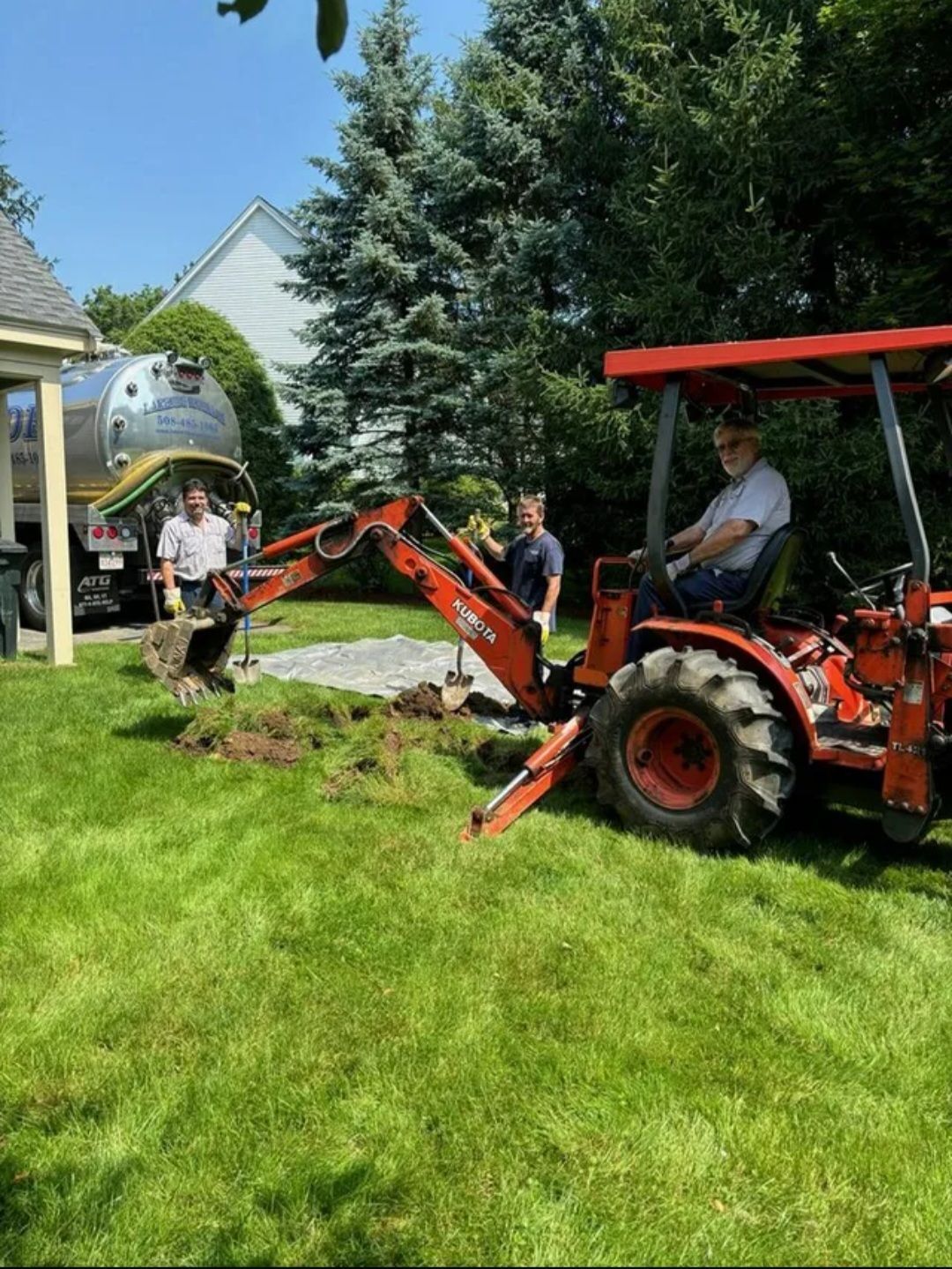
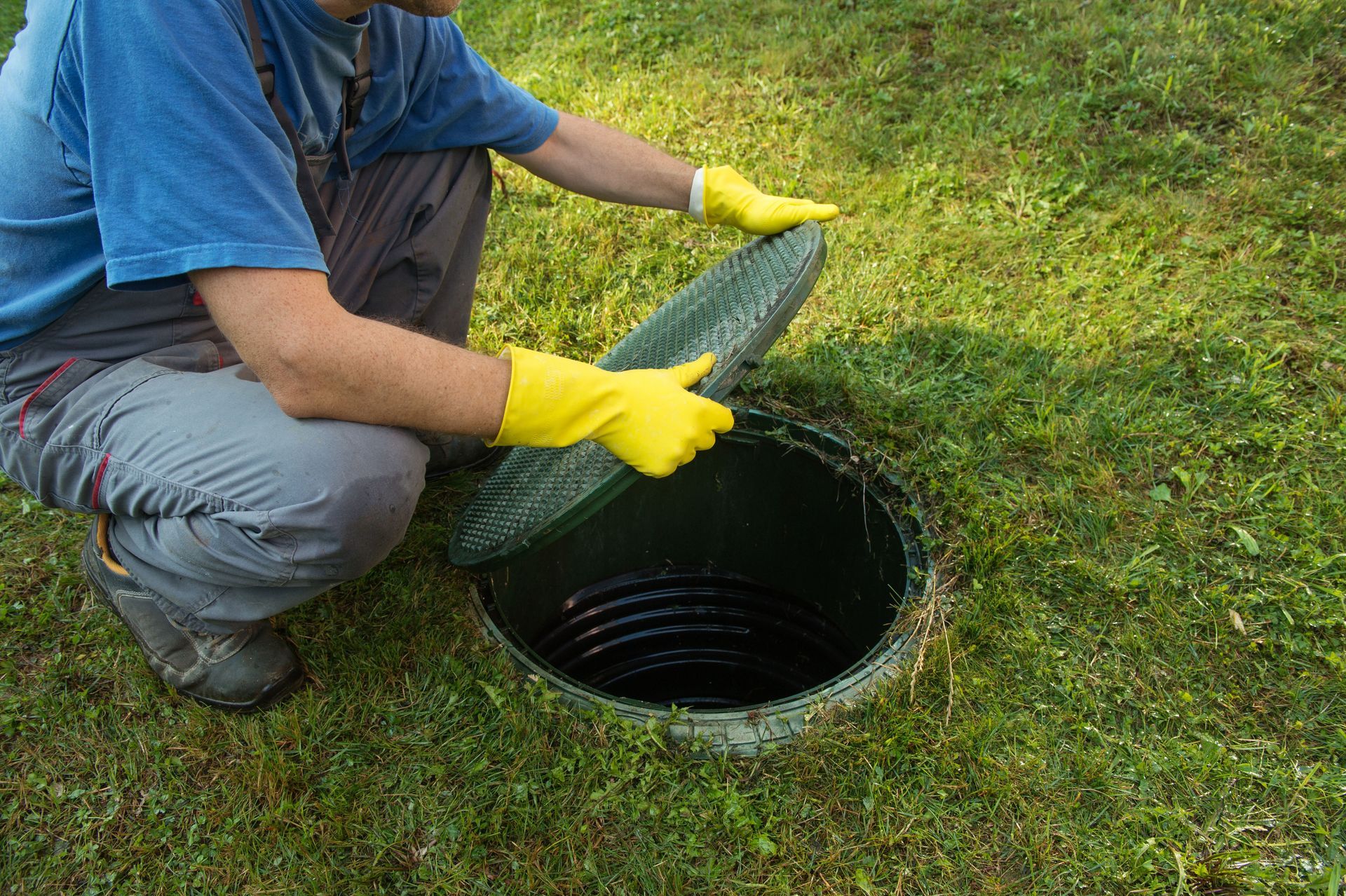
Before an inspection, it’s helpful to understand your septic system’s layout and operation. Becoming familiar with components such as the septic tank, distribution box, and leach field helps homeowners answer questions and identify maintenance concerns before the appointment. Knowing the location of access covers can also save time during the inspection and reduce unnecessary digging.
Selecting a qualified inspector is essential for an accurate evaluation. Look for professionals certified by MassDEP with experience working in your local community. Recommendations from local health departments, neighbors, or real estate professionals can help narrow your options. Choosing an experienced Title 5 inspection service provides confidence that the inspection will follow current state standards and identify issues that require attention.
Gathering maintenance records, previous inspection reports, pumping receipts, and system plans can improve the inspection process. These records provide valuable historical information and may explain previous repairs or upgrades. Organized documentation also demonstrates responsible ownership and helps inspectors better understand the system's condition.
Property preparation is equally important. Clear vegetation around access points, unlock gates, move vehicles away from septic components, and ensure pets are secured. Making the site easily accessible allows inspectors to complete their work efficiently while reducing the possibility of delays. Preparing the property in advance also allows a Title 5 inspection service to complete the evaluation more efficiently and with fewer interruptions.
Understand the Inspection Process
The inspection typically begins with a walkthrough of the property. Inspectors review the system layout, identify access points, and discuss any known issues with the homeowner. Open communication during this stage allows inspectors to focus on areas where concerns have previously developed.
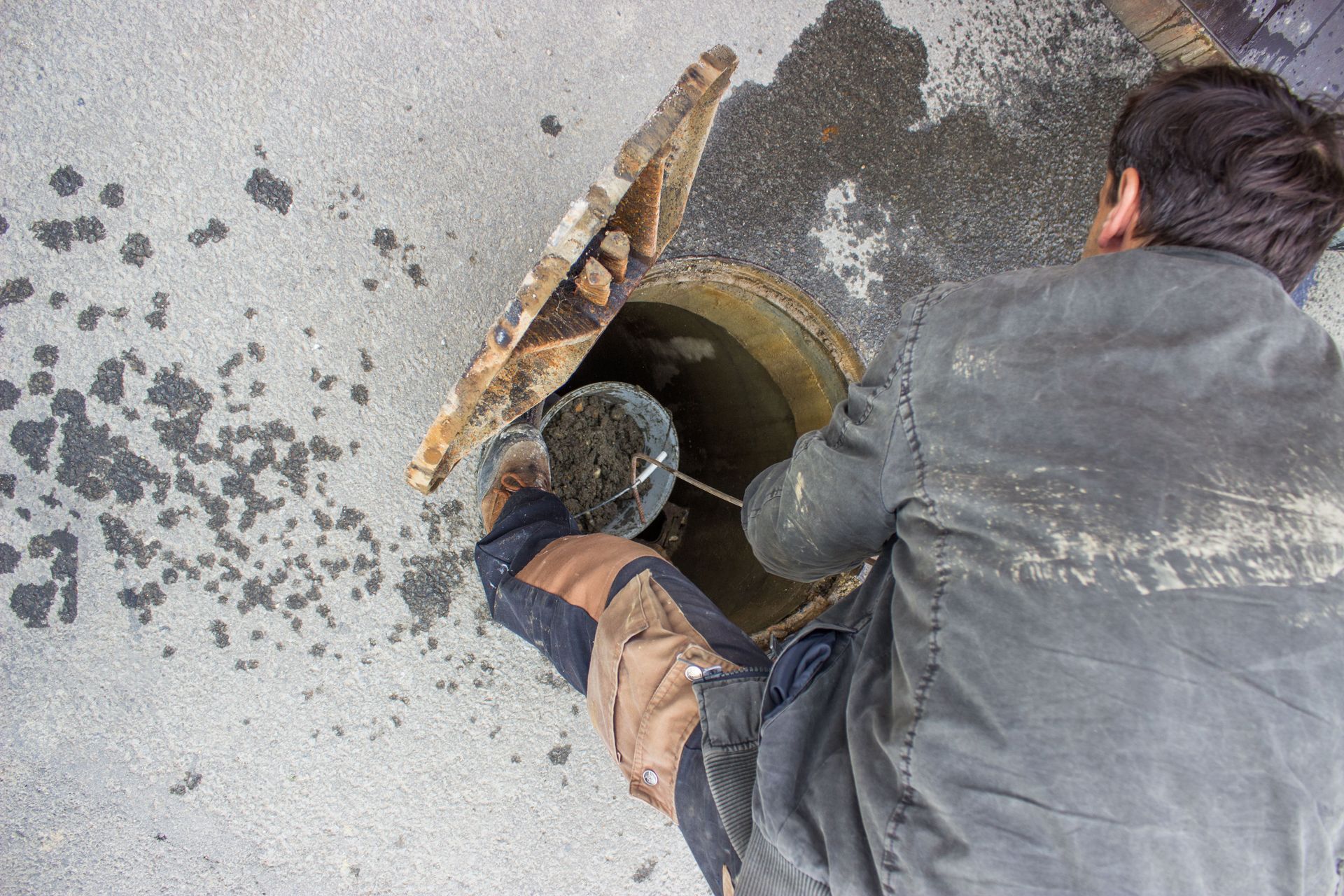
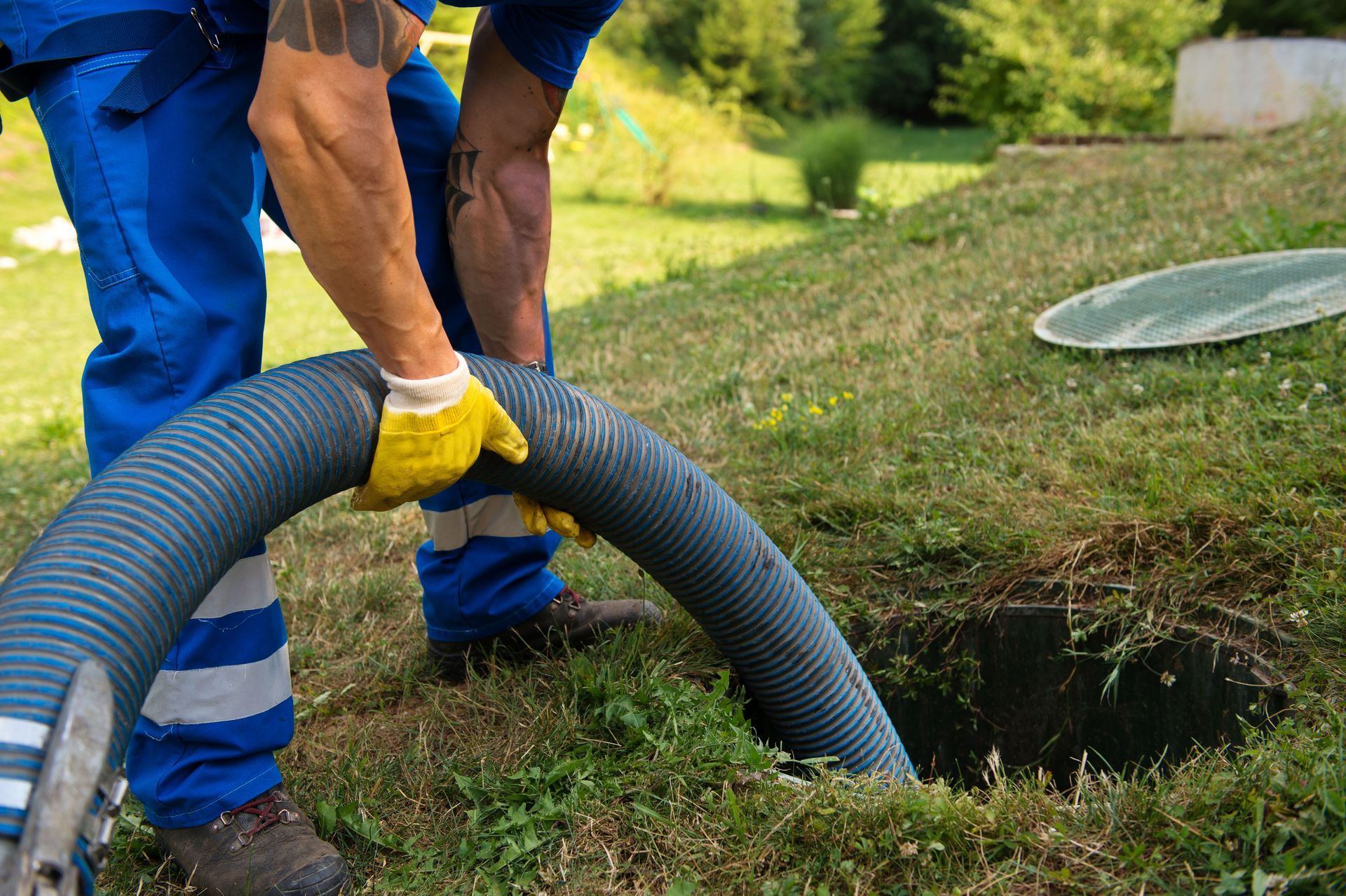
Next, inspectors perform a visual and physical examination of the septic tank, distribution box, piping, and leach field. They look for structural damage, leaks, excessive wear, and signs of improper wastewater flow. They also evaluate whether the system appears capable of handling normal household use without creating health or environmental hazards.
Functional testing follows the visual examination. Water movement, drainage performance, and waste treatment capabilities are assessed to determine whether the system is operating properly. A thorough Title 5 inspection service evaluates both visible conditions and overall system performance rather than relying solely on appearance.
Inspectors also watch for warning signs such as sewage odors, standing water, lush vegetation over the drain field, or slow drains inside the home. Identifying these issues early often allows homeowners to complete less expensive repairs before significant failures occur.
Once the evaluation is complete, the inspector prepares a detailed report documenting observations, compliance status, and any recommended repairs. This report becomes an important record for homeowners, lenders, buyers, and local health departments.
Recognize Common Septic System Problems
Older septic systems frequently experience deterioration due to age, corrosion, and years of continuous use. Tanks, baffles, and piping naturally wear over time, making regular inspections increasingly important as systems age. Routine maintenance often extends system life while reducing the likelihood of major failures.
Leach field problems are another common issue. Soil saturation, root intrusion, and clogged distribution lines can reduce the field's ability to filter wastewater effectively. If left unresolved, these problems may eventually lead to backups or wastewater surfacing on the property.
Tank failures may include cracked walls, damaged lids, deteriorated baffles, or excessive sludge accumulation. Structural problems can create environmental hazards and significantly reduce treatment efficiency. Early identification often makes repairs simpler and less expensive.
Drainage concerns caused by poor grading or high groundwater levels may also affect septic performance. Excess groundwater can overwhelm the drain field, while poor drainage allows standing water to accumulate near system components. Improving drainage around the property often protects both the septic system and surrounding landscape.
Many inspections also reveal deferred maintenance. Systems that have not been pumped regularly or have experienced years of neglect are more likely to develop expensive problems. Consistent maintenance schedules remain one of the most effective ways to maximize septic system lifespan.
Investing in preventive maintenance is often far less expensive than addressing major system failures. Scheduling periodic evaluations with a trusted Title 5 inspection service allows homeowners to detect small concerns before they become costly repairs. Regular attention helps preserve both the septic system and the value of the property while supporting Massachusetts environmental standards. Contact Lakeside Sewerage Service Inc today and learn more about our inspection services.