April 14, 2026
Concrete septic tanks are a durable and reliable solution for wastewater management, offering longevity that often exceeds other types of tanks. However, their lifespan is influenced by several factors, including construction quality, maintenance practices, soil conditions, and usage patterns. Understanding what to expect from the lifespan of a concrete septic tank helps homeowners plan for maintenance, avoid costly repairs, and ensure their system operates efficiently over time. Proper care, including routine septic pumping, is essential for maximizing durability and protecting both property and health.
Evaluating the Typical Lifespan of Concrete Septic Tanks
Concrete tanks are known for their strength and resistance to environmental pressures, making them a popular choice for residential and commercial properties. When properly installed and maintained, these tanks can function effectively for decades, providing reliable wastewater storage and treatment. Their rigid structure helps prevent collapse and withstands soil pressure, contributing to long-term reliability.
According to the EPA, a septic tank made of concrete may last 50 years or more, although older tanks may not be as well constructed as newer tanks. While modern materials and reinforced designs extend durability, the age and quality of installation remain key considerations. Homeowners should monitor older systems closely, particularly if they were installed several decades ago, to ensure continued safe operation.
Understanding the Role of Maintenance
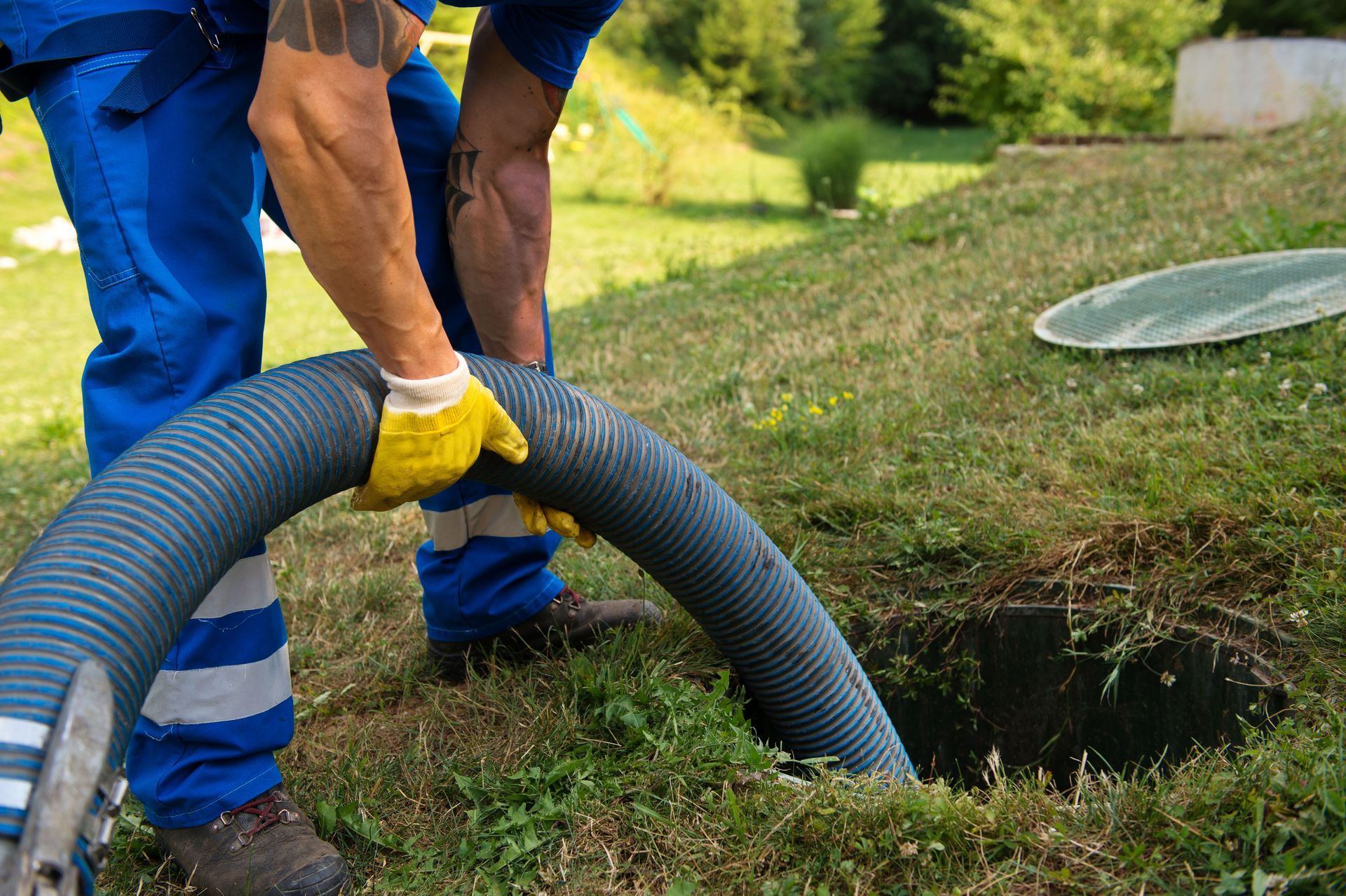
Regular maintenance is critical in preserving the structural integrity and functionality of a concrete septic tank. Septic pumping is an essential component of this maintenance, as it removes accumulated solids that can otherwise cause blockages or excessive pressure on the tank walls. Failure to perform routine pumping can result in system failure or costly repairs, even for tanks designed to last many decades.
Scheduling septic pumping at recommended intervals allows the tank to operate efficiently and extends its lifespan. Local regulations and tank size typically determine the optimal frequency, but homeowners should also consider household usage and the presence of additional appliances such as garbage disposals. Consistent maintenance reduces stress on the system and helps prevent premature deterioration.
Observing Environmental Factors Affecting Longevity
Concrete septic tanks are influenced by the environment in which they are installed. Soil type, water table levels, and exposure to corrosive substances can all affect the structural integrity of the tank. For instance, acidic or clay-heavy soils may cause cracks or erosion over time, potentially shortening the lifespan of the system if left unaddressed.
Understanding how environmental conditions impact a concrete tank allows homeowners to take proactive measures. Protective coatings, proper backfill, and careful site selection can minimize the effects of soil pressure and chemical exposure. Regular inspections, combined with routine septic pumping, help detect early signs of wear and prevent more significant issues down the line.
Monitoring Usage and Household Impact
The number of residents and patterns of water usage directly influence the demands placed on a septic tank. Higher volumes of wastewater or frequent use of appliances like dishwashers and washing machines can accelerate sludge buildup, increasing the need for septic pumping. Excessive or improper use of chemicals and cleaners may also compromise the concrete and the overall system.
Homeowners should be aware of how daily activities impact the tank and adjust maintenance schedules accordingly. By monitoring water usage and adhering to best practices for what can enter the system, residents can reduce stress on the tank and prolong its effective lifespan. Educating all household members about proper care is an important step in preventing unnecessary damage.
Addressing Signs of Wear and Potential Failure
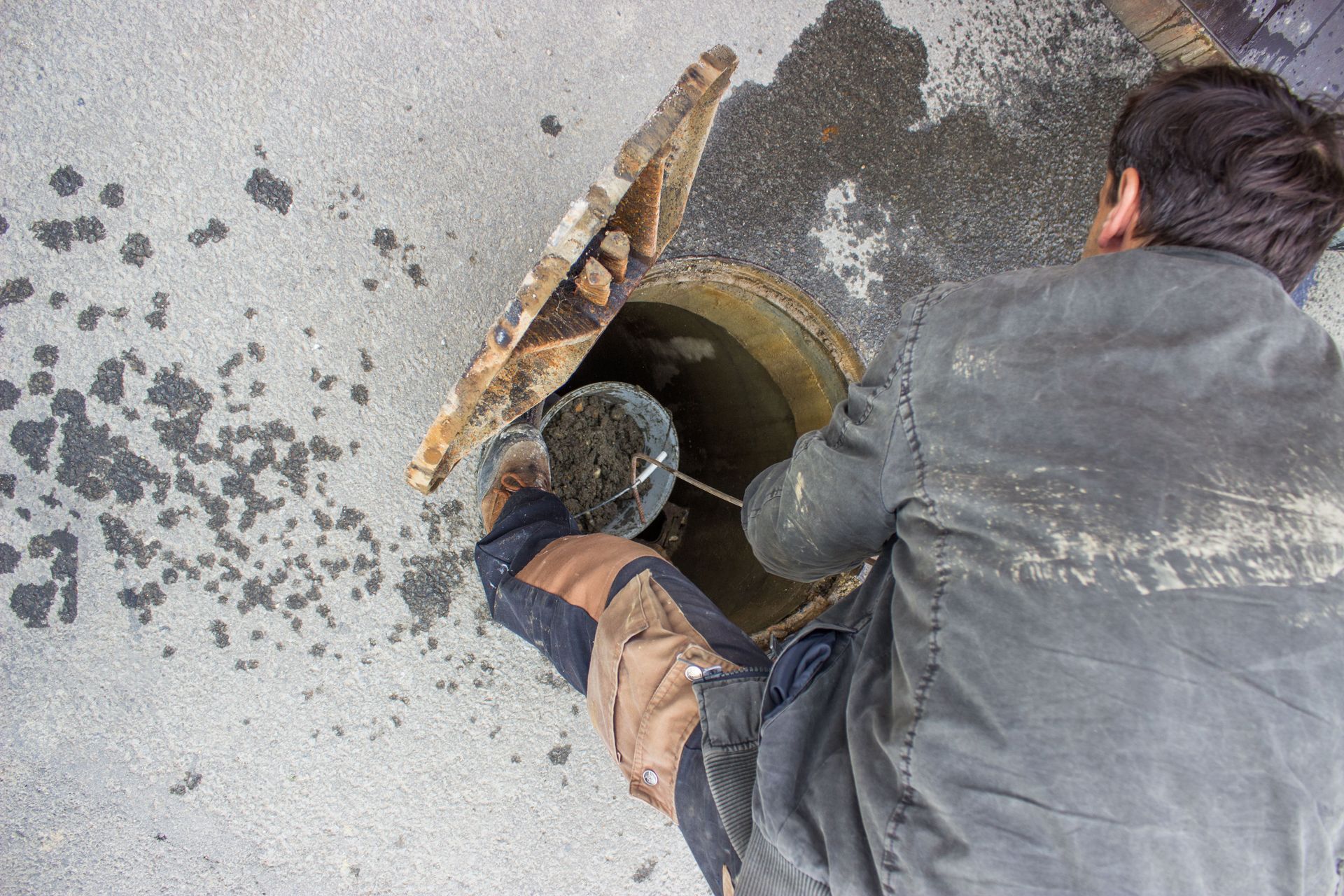
Even durable concrete tanks can show signs of wear over time. Cracks, slow drainage, or unusual odors may indicate that the system is under stress or requires attention. Promptly addressing these warning signs is critical to avoiding extensive damage and maintaining safety. Septic pumping and professional inspections play a central role in detecting and resolving issues early.
Recognizing and responding to potential problems helps homeowners avoid costly replacements or environmental hazards. By scheduling professional assessments and combining them with routine septic pumping, property owners can identify weaknesses before they escalate, ensuring the system continues to function efficiently for decades.
Planning for Long-Term Care and Replacement
Understanding the expected lifespan of a concrete septic tank enables homeowners to plan for long-term maintenance and eventual replacement. Even with excellent care, tanks eventually require evaluation for structural integrity and performance. Establishing a proactive plan that includes periodic inspections and septic pumping ensures that the system remains operational and safe throughout its service life.
Working with experienced professionals provides guidance on best practices for long-term care. Local septic service providers can offer tailored advice on maintenance frequency, environmental protections, and upgrades, helping homeowners maximize their investment. Proper planning reduces unwanted stress and unexpected costs while maintaining reliable wastewater management.
Reducing Risk of Structural Damage Through Proper Installation
The lifespan of a concrete septic tank begins with proper installation. Incorrect placement, uneven backfill, or insufficient compaction can create pressure points that lead to cracks or settling over time. Ensuring the tank is installed according to manufacturer guidelines and local regulations is essential for long-term durability.
A local septic service provider can oversee installation and verify that the tank sits on a stable base with appropriate drainage. This attention to detail minimizes stress on the concrete walls, reduces the likelihood of structural damage, and sets the foundation for decades of reliable service. Proper installation paired with regular septic pumping ensures the tank remains functional throughout its expected lifespan.
Extending Lifespan With Protective Treatments
Concrete is naturally durable, but exposure to acidic wastewater, chemicals, or harsh soil conditions can gradually degrade the material. Applying protective coatings or sealants during installation or maintenance can help shield the tank from these corrosive factors.
A local septic service can recommend suitable treatments and apply them safely, ensuring the tank maintains its strength and integrity. These protective measures, combined with scheduled septic pumping, reduce the risk of leaks, cracks, and premature failure, ultimately extending the functional life of the system.
Coordinating Repairs and Upgrades Efficiently
Over time, even well-maintained concrete tanks may require minor repairs or upgrades, such as replacing lids, risers, or inlet/outlet components. Addressing these needs promptly prevents small issues from escalating into major system failures.
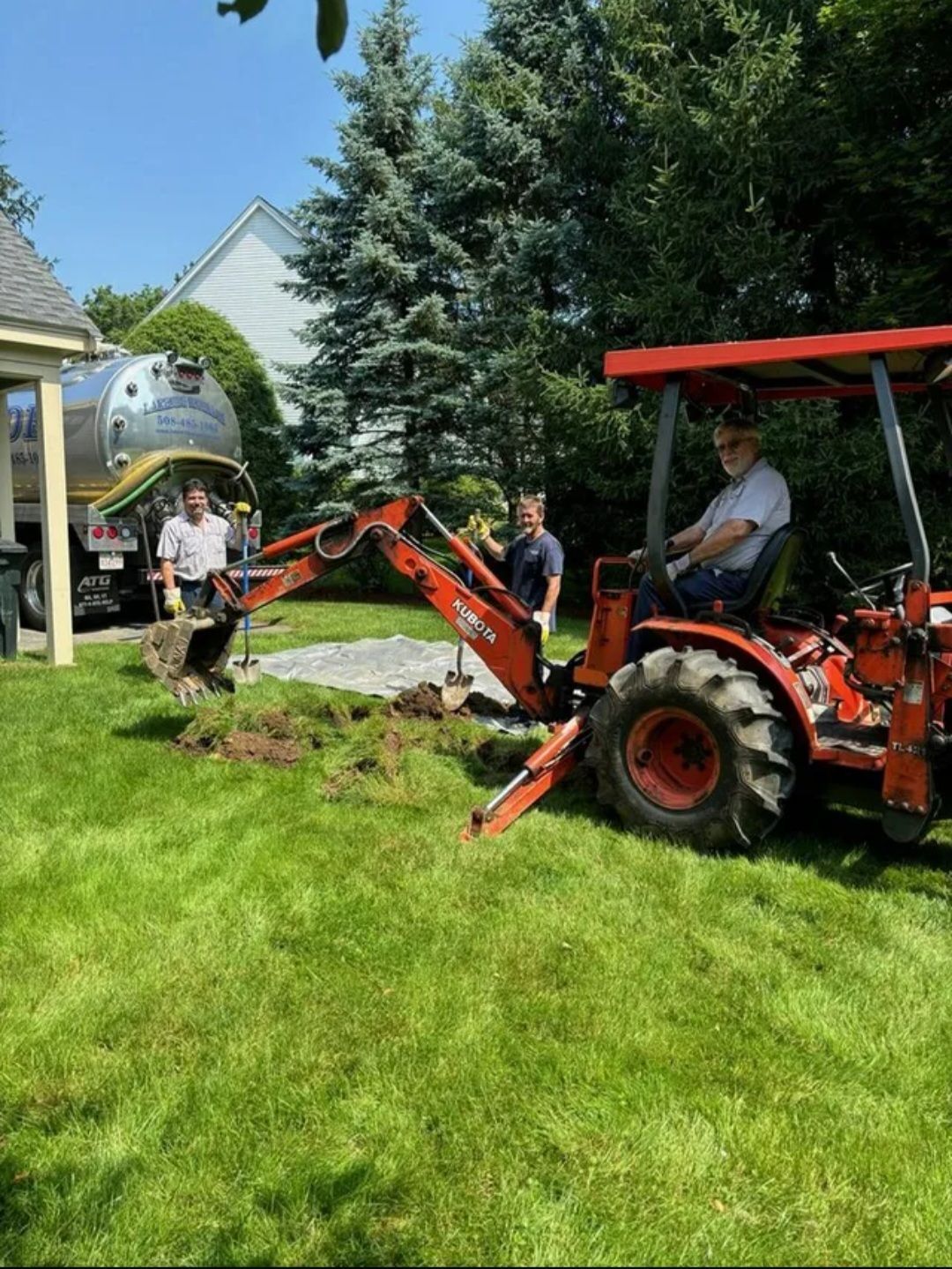
Working with a local septic service allows homeowners to coordinate repairs efficiently and ensure compatibility with existing structures. Professionals can integrate necessary upgrades while maintaining optimal performance, keeping the system running smoothly. Regular septic pumping and timely attention to minor repairs together preserve the tank’s functionality and maximize its lifespan.
Concrete septic tanks offer exceptional durability and longevity when properly installed and maintained. Understanding what to expect from their lifespan allows homeowners to make informed decisions about maintenance, usage, and potential upgrades. Routine septic pumping, environmental awareness, and attention to usage patterns are all critical factors in extending the life of the system and preventing costly problems.
By combining regular maintenance with proactive monitoring and professional guidance, homeowners can ensure that their concrete septic tanks remain functional for decades. Planning for long-term care, recognizing signs of wear, and adhering to best practices for septic pumping all contribute to a reliable and efficient wastewater system that protects both property and health. With careful attention, property owners can enjoy peace of mind knowing their septic system is performing as intended. If you are in the MetroWest and Central Massachusetts areas seeking an experienced plumbing team, contact Lakeside Sewerage Service Inc today.