February 18, 2026
Septic systems represent critical infrastructure for millions of homes and businesses not connected to municipal sewer systems, quietly processing wastewater every day without requiring much attention from property owners. However, this out-of-sight-out-of-mind nature of septic systems often leads to neglect that can result in expensive failures, environmental contamination, and health hazards that could have been prevented through regular maintenance and inspections. Understanding proper inspection and pumping schedules is essential for septic system longevity, reliable performance, and avoiding the catastrophic failures that create emergencies and massive repair bills. This comprehensive guide explores inspection frequency recommendations, factors that influence optimal schedules, and why working with experienced professionals ensures your septic system receives the care it needs to function reliably for decades.
Understanding Standard Inspection Recommendations
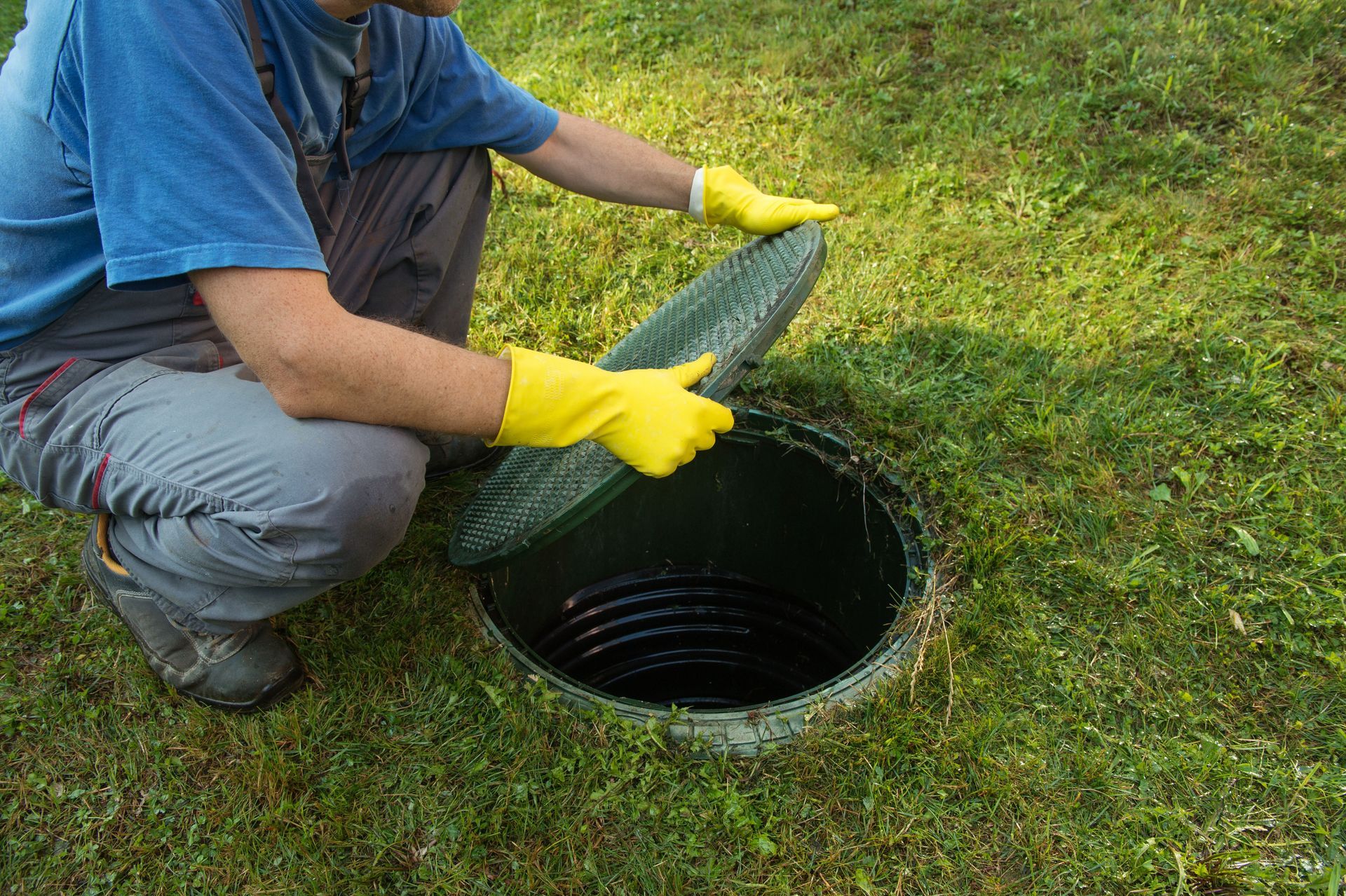
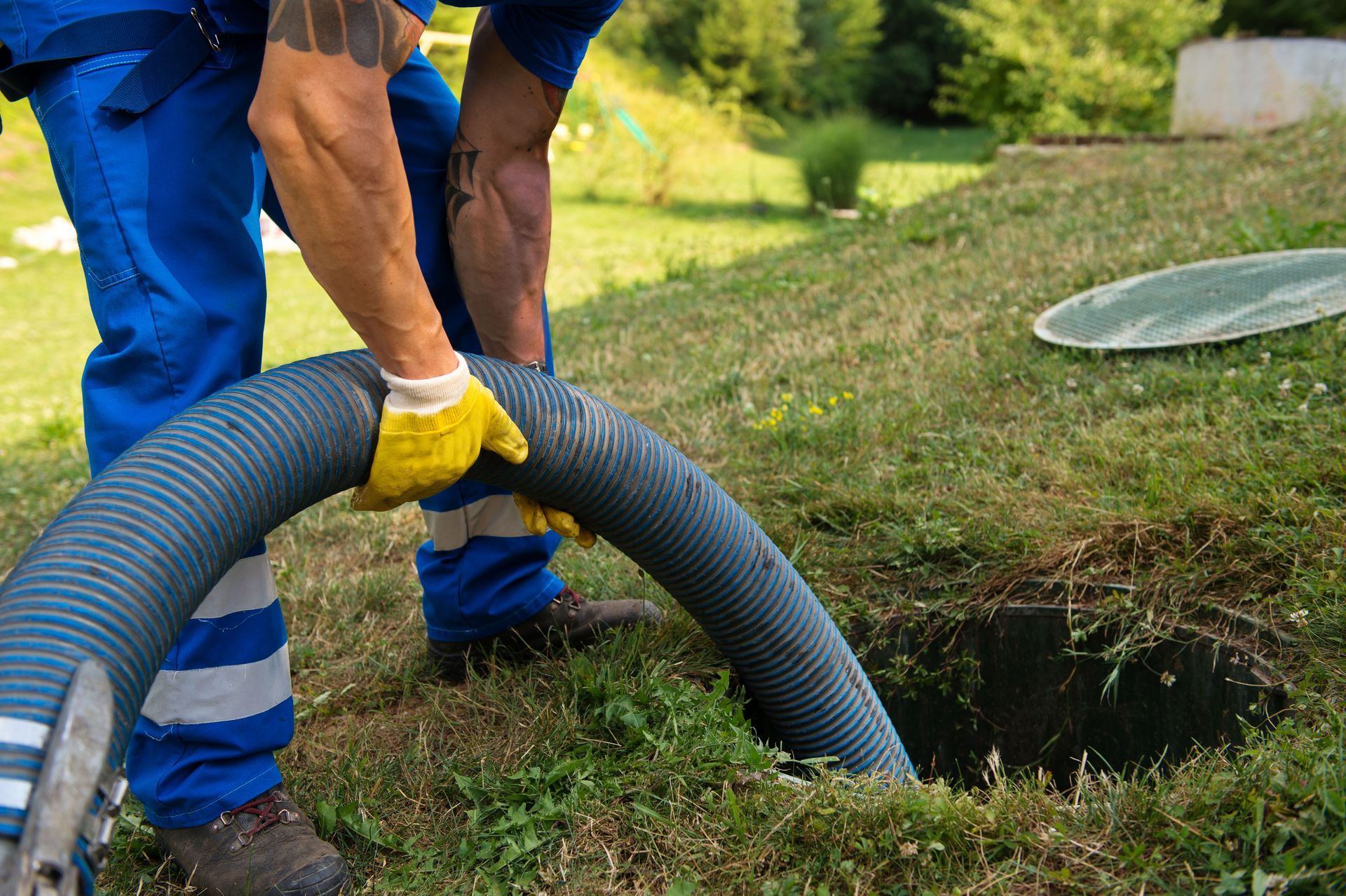
Professional septic service providers base their inspection recommendations on industry standards, regulatory requirements, and practical experience with how septic systems perform under various conditions and usage patterns. According to the EPA, a septic tank should be inspected every one to three years and pumped every three to five years, providing general guidelines that apply to typical residential systems under normal usage conditions. These standard recommendations ensure problems are identified before they become serious while balancing the cost and inconvenience of inspections against the risks of neglect. A qualified septic pumping company can assess your specific system and usage patterns to determine whether you should inspect more frequently than the standard recommendation or if your circumstances allow slightly longer intervals between inspections.
Factors That Require More Frequent Inspections
Several factors indicate that your septic system may need inspections more frequently than the standard three-year interval to ensure problems are caught early before they cause failures or expensive damage. Larger households with more occupants generate greater wastewater volumes and solids loads that fill tanks faster and stress drain field capacity, warranting annual or biennial inspections rather than the standard three-year interval. Properties with garbage disposals introduce additional solids that accelerate tank filling and may require annual inspections to monitor accumulation rates. Systems serving commercial properties or vacation rentals need more frequent professional attention than typical single-family residences due to the increased demands placed on these systems.
The Relationship Between Inspections and Pumping
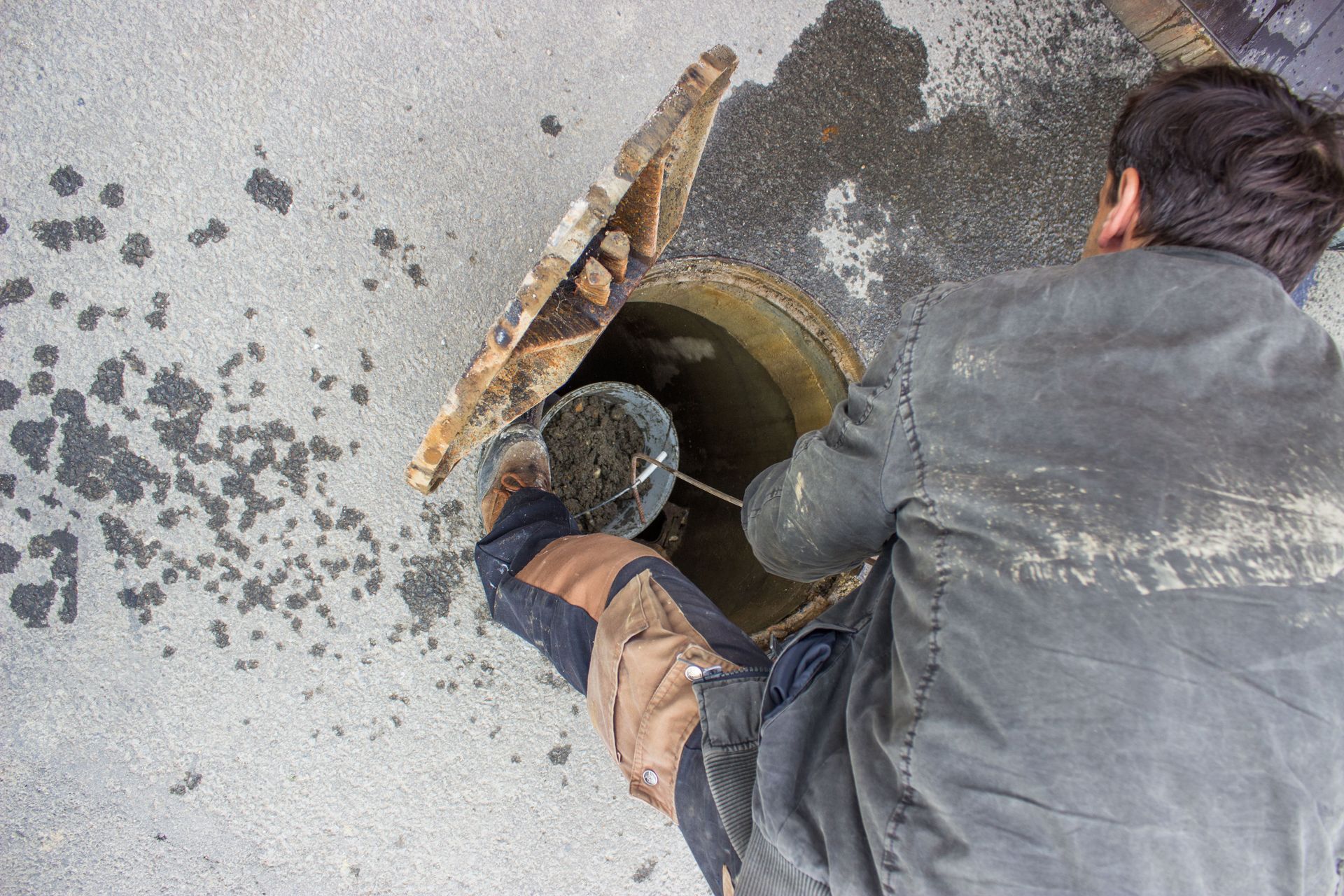
Regular inspections and timely pumping work together to maintain septic system health, with inspections determining when pumping is actually necessary rather than following arbitrary schedules regardless of actual conditions. During inspections, a septic pumping company measures sludge and scum layers to determine how much tank capacity remains for wastewater treatment and whether pumping is needed immediately or can wait until the next inspection. This measurement-based approach to pumping decisions ensures tanks are pumped when needed rather than too early or, more dangerously, too late when solids have already entered the drain field. Some systems may need pumping every two years, while others can safely wait five years between pumpings, making regular inspections essential for determining appropriate pumping schedules for your specific system.
Warning Signs That Demand Immediate Inspection
Certain symptoms indicate septic system problems requiring immediate professional inspection, regardless of when your last scheduled inspection occurred or how recently the system was pumped. Slow drains, gurgling sounds, or backups in plumbing fixtures suggest the septic system is not accepting wastewater properly, indicating tank fullness, drain field failure, or blockages requiring urgent attention. Sewage odors around the tank area, in the house, or over the drain field signal that wastewater is not being contained and processed properly, creating health hazards that demand immediate investigation. Any of these warning signs warrants contacting a septic pumping company for emergency inspection rather than waiting for your next scheduled service appointment, as delays can allow minor problems to escalate into system failures requiring extensive repairs.
The Cost-Benefit Analysis of Regular Inspections
While regular inspections represent an ongoing expense that some property owners view as optional, the cost of inspections pales in comparison to the expense of repairing or replacing failed septic systems that weren't properly maintained. Septic system failure can cost tens of thousands of dollars to repair or replace, compared to inspection costs typically measured in hundreds of dollars that identify problems when solutions are still simple and affordable. Regular inspections extend system life by catching issues early, optimizing pumping schedules, and ensuring all components function correctly before minor problems become major failures. The peace of mind that comes from knowing your septic system is healthy and functioning properly justifies the modest investment in regular professional inspections by an experienced septic pumping company.
Regulatory Requirements and Title 5 Inspections
Beyond routine maintenance inspections, many jurisdictions require formal inspections when properties are sold, refinanced, or undergo certain renovations that trigger regulatory review of septic systems. Title 5 inspections represent the most comprehensive septic system evaluation, examining every component in detail to ensure systems meet current code requirements and function properly without environmental or health threats. These inspections often identify issues that routine maintenance inspections might not catch, as they involve more extensive testing, including dye tests, flow measurements, and detailed drain field evaluations. Properties in Massachusetts and other states with Title 5 requirements must pass these inspections for real estate transactions to proceed, making it critical to maintain systems properly rather than discovering problems during time-sensitive sale processes.
Choosing Qualified Inspection Professionals
Not all septic service providers offer the same quality of inspection services, making it important to select experienced, qualified professionals who conduct thorough evaluations rather than cursory examinations. Look for companies with proper licensing, insurance, and experience specifically with inspections rather than only pumping, as a comprehensive evaluation requires knowledge beyond simply removing tank contents. Ask about inspection procedures to ensure providers examine all system components, measure sludge and scum layers accurately, and provide written reports documenting findings and recommendations for your records. A professional septic pumping company offering free estimates demonstrates confidence in their pricing and commitment to helping property owners understand costs before committing to services.
Balancing Cost and Protection
Property owners understandably want to minimize maintenance costs, but finding the right balance between economy and adequate protection requires understanding the true costs of both regular maintenance and system failure. Skipping inspections to save a few hundred dollars creates risks of failures costing tens of thousands, while providing no real long-term savings if problems develop undetected. Conversely, inspecting more frequently than necessary for your specific system and usage wastes money without providing additional protection beyond what appropriate intervals would deliver. Working with an experienced septic pumping company helps you identify the optimal inspection frequency that provides adequate protection without unnecessary expense, considering your system type, household size, usage patterns, and other relevant factors.
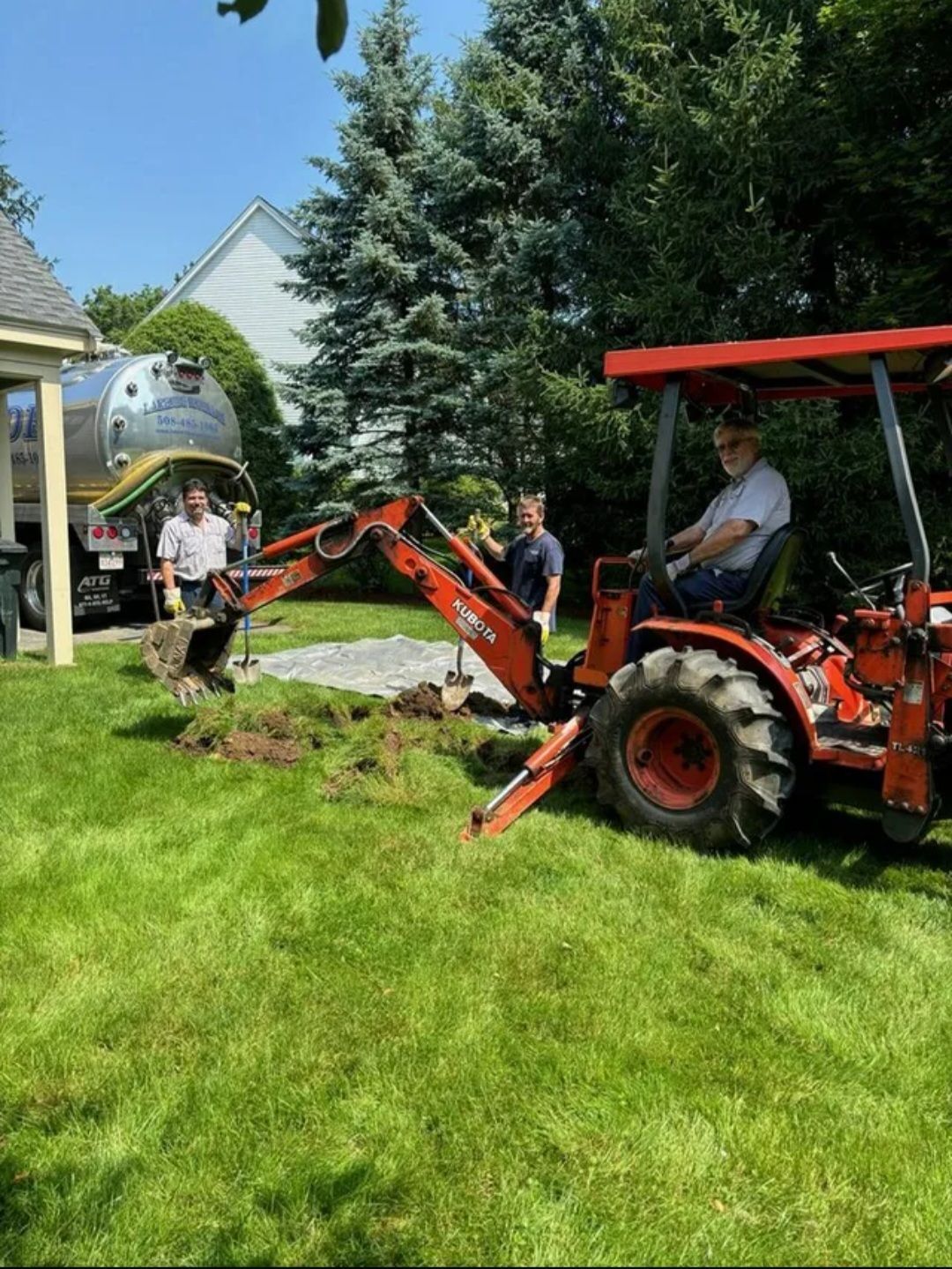
Understanding proper septic inspection frequency and following professional recommendations represents one of the most important responsibilities of septic system ownership, protecting your property investment while preventing the environmental and health hazards that result from neglected systems. The standard recommendation of inspections every one to three years provides a starting point, but your specific system may require more or less frequent attention based on household size, usage patterns, system age, and other factors that experienced professionals can help you evaluate. Regular inspections allow problems to be identified and addressed when solutions are simple and affordable, rather than waiting until catastrophic failures create emergencies requiring extensive repairs or complete system replacement. When you need expert septic pumping, sewerage services, or Title 5 inspections from professionals who understand septic systems and proper maintenance schedules, Lakeside Sewerage Service Inc is here to help with comprehensive services backed by years of experience and commitment to customer satisfaction. We offer free estimates so you understand costs upfront, emergency services available when urgent problems cannot wait, and senior, veteran, and neighborhood discounts to thank those who have served and to support our local community. For more information, contact us today!